The Order of Stages in a Whole House Repaint in Carlsbad
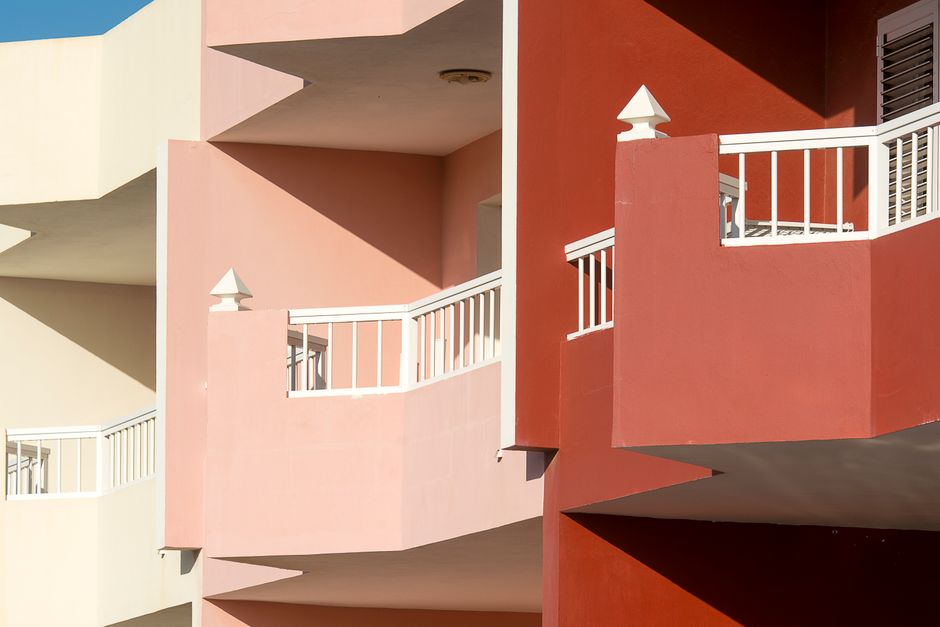
The paint is the smallest part of a whole house repaint, yet it is the part people picture first. Most of the days on a Carlsbad job go to washing, patching and masking, and the stage list on carlsbad house painting compton police gangs lists them in the order a crew actually works them. Skip one and the next stage shows it. A repaint of a house in Carlsbad, CA runs front to back like a production line, with each surface finished before the one beside it gets touched.
Wash, scrape and repair first
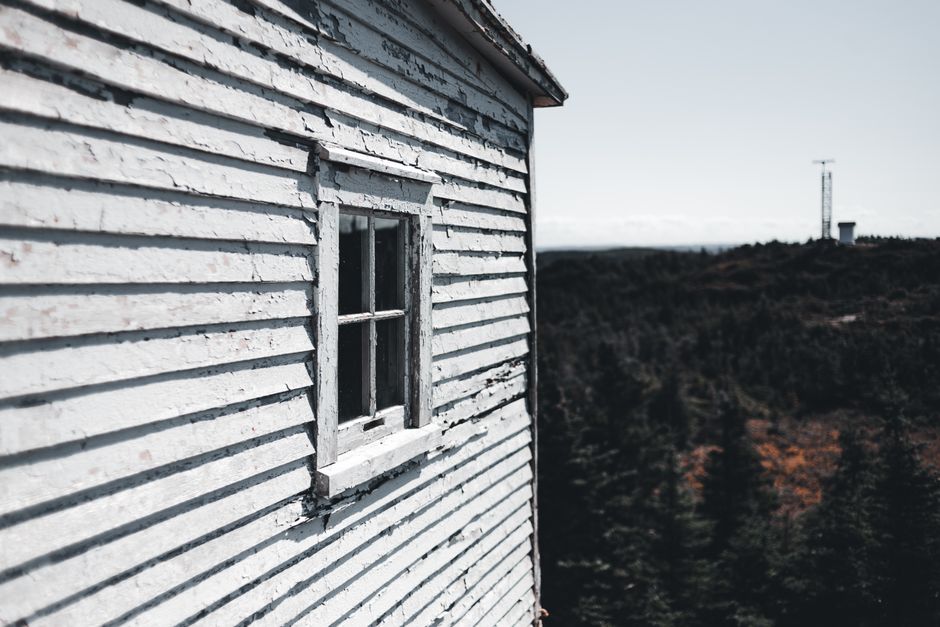
Everything starts with a wash. Salt film and dust from Interstate 5 sit on stucco and eaves, and primer will not grip over them. After the surface dries, loose paint gets scraped back to sound edges, hairline cracks are opened slightly and filled with caulk, and nail holes and dings get spackle. Rotted wood is cut out and replaced before any finish goes near it.
Prime what is bare, then sand
Patched spots and bare wood get a spot coat of primer so the topcoat does not flash over them in a different sheen. Once that cures, a scuff sand knocks down ridges and gives glossy old paint some tooth. Patching compound that was left proud is sanded flush at this point, then dusted off with a damp rag. Skipping the sanding is how a repaint ends up showing every old brush mark through the new paint.
Ceilings come before walls
Inside, the order runs ceiling, walls, then trim. Drips from the roller fall downward, so ceilings go first and wall paint covers any splatter. Walls get two coats of latex in eggshell or flat, with the edges cut in by brush before the roller follows. A roller with the right nap for the texture matters on orange peel and knockdown finishes common in newer Carlsbad homes.
Exterior body, then trim and doors
On the outside, the body of the house is sprayed or rolled first, usually with an airless sprayer on stucco, and the surrounding glass and planting are masked well ahead of it. Trim, fascia and doors follow once the body is dry, because trim is brushed and the crisp line against dry paint is easier to keep. Doors and window sashes get a semi gloss or satin enamel so they wipe clean and resist sticking.
Final coats and the walkthrough
Last come the second coats on trim, the touch-ups, and the removal of tape while the paint is still slightly soft so edges do not peel. A walkthrough in daylight catches holidays, thin spots and missed coverage that artificial light hides. The final check is mil thickness on a few test areas, because a coat that looks even can still be too thin to last through a Carlsbad summer of marine fog and bright afternoon sun.